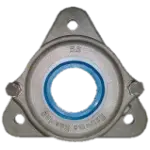
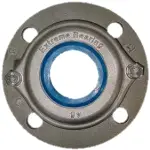
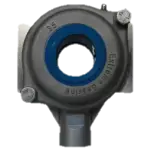
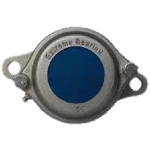
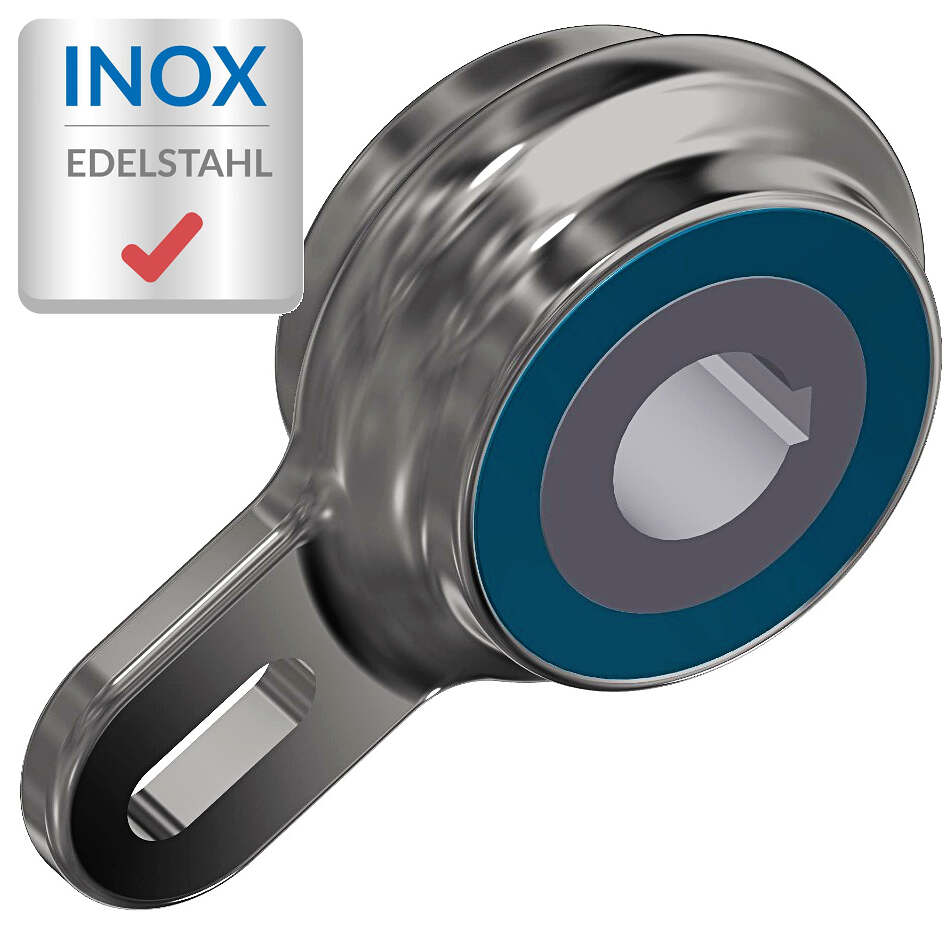
Axial clearance – A Key Advantage
The Challenge of Thermal Expansion
In many industrial applications, shafts are exposed to temperature fluctuations during operation. As the temperature increases, the shaft expands. If this expansion is not properly accommodated within the bearing arrangement, unwanted axial forces can develop, leading to premature bearing failure, increased vibration, seal wear, and misalignment of connected components.
For this reason, shaft expansion should always be considered during the design of a bearing arrangement.
Extreme Bearings: A Unique Engineering Advantage – Built-In Clearance
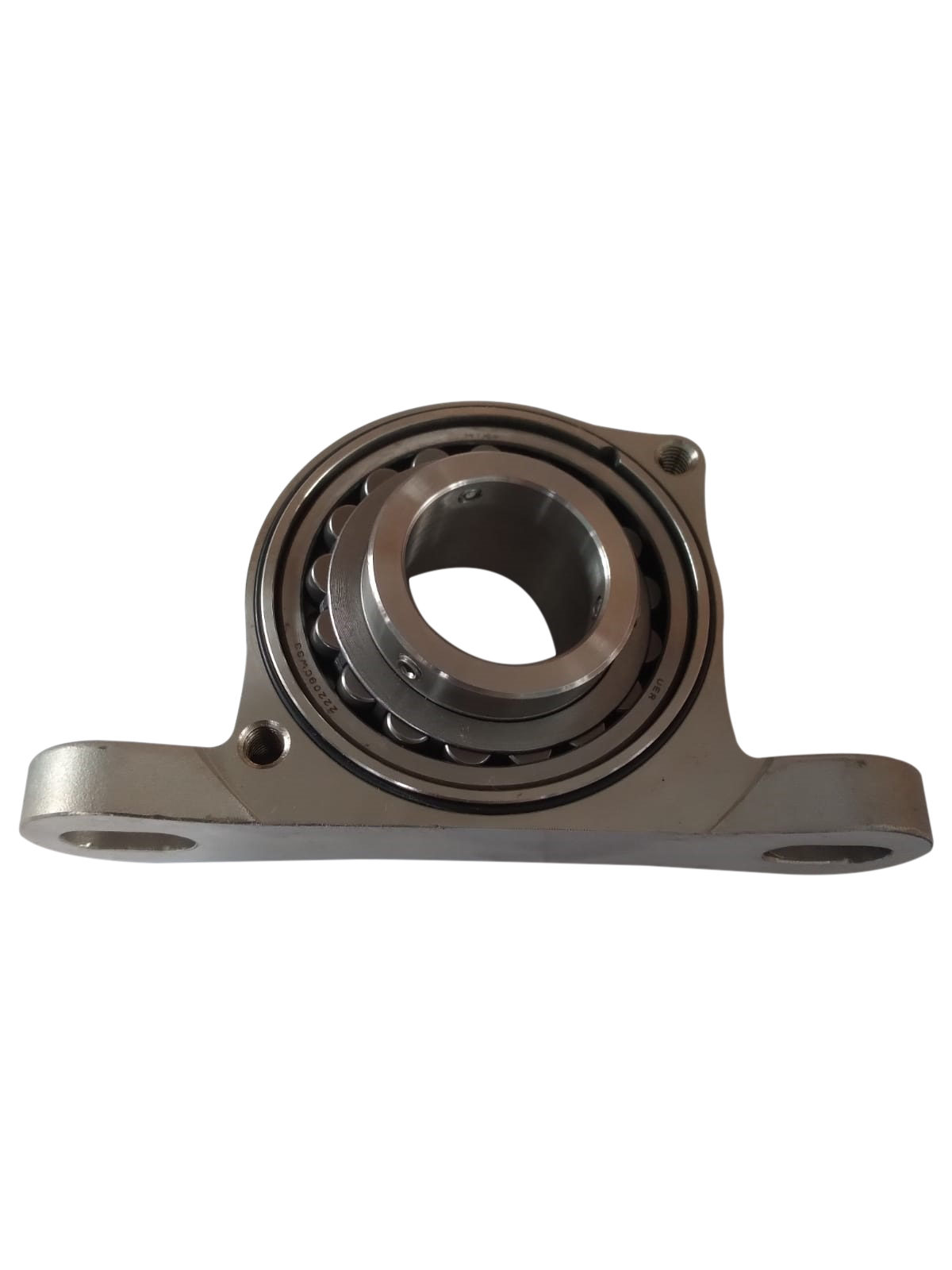
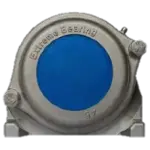
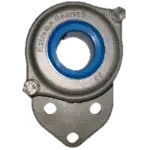
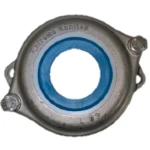
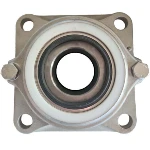
The seats of an Extreme Bearing are machined to a tolerance in order to provide a loose fit. The bearing seats in the housings are sufficiently wide to allow the bearing axial displacement and likewise to accommodate for thermal expansion of the shaft due to high temperatures.
An Extreme Bearing Unit offers a unique advantage over conventional mounted bearing units. The units are supplied with an Locating ring, allowing the bearing arrangement to be configured either as a locating bearing, restricting axial displacement, or as a non-locating bearing, permitting axial movement to accommodate shaft expansion. This provides greater flexibility in bearing arrangement design and ensures accurate shaft positioning, controlled thermal expansion, and improved system reliability.
The Importance of a Locating and Floating Bearing Arrangement
The most effective method for accommodating thermal expansion is to use a locating and floating bearing arrangement.
In this configuration:
- The locating bearing fixes the shaft axially and determines its operating position.
- The floating bearing allows the shaft to expand and contract freely in the axial direction.
This arrangement prevents thermal expansion forces from being transferred into the bearings and surrounding components.
Key Benefits
Controlled Thermal Expansion
The floating bearing position allows the shaft to expand and contract without generating harmful axial loads.
Accurate Shaft Positioning
The locating bearing establishes a fixed reference point, ensuring consistent shaft positioning throughout operation.
These applications often involve long shafts, varying operating temperatures, or conditions where reliable axial shaft control is essential.
Room for Axial Displacement
By allowing axial movement, internal bearing stress are reduced, resulting in extended bearing service life.
Locating and Floating Bearing Positions
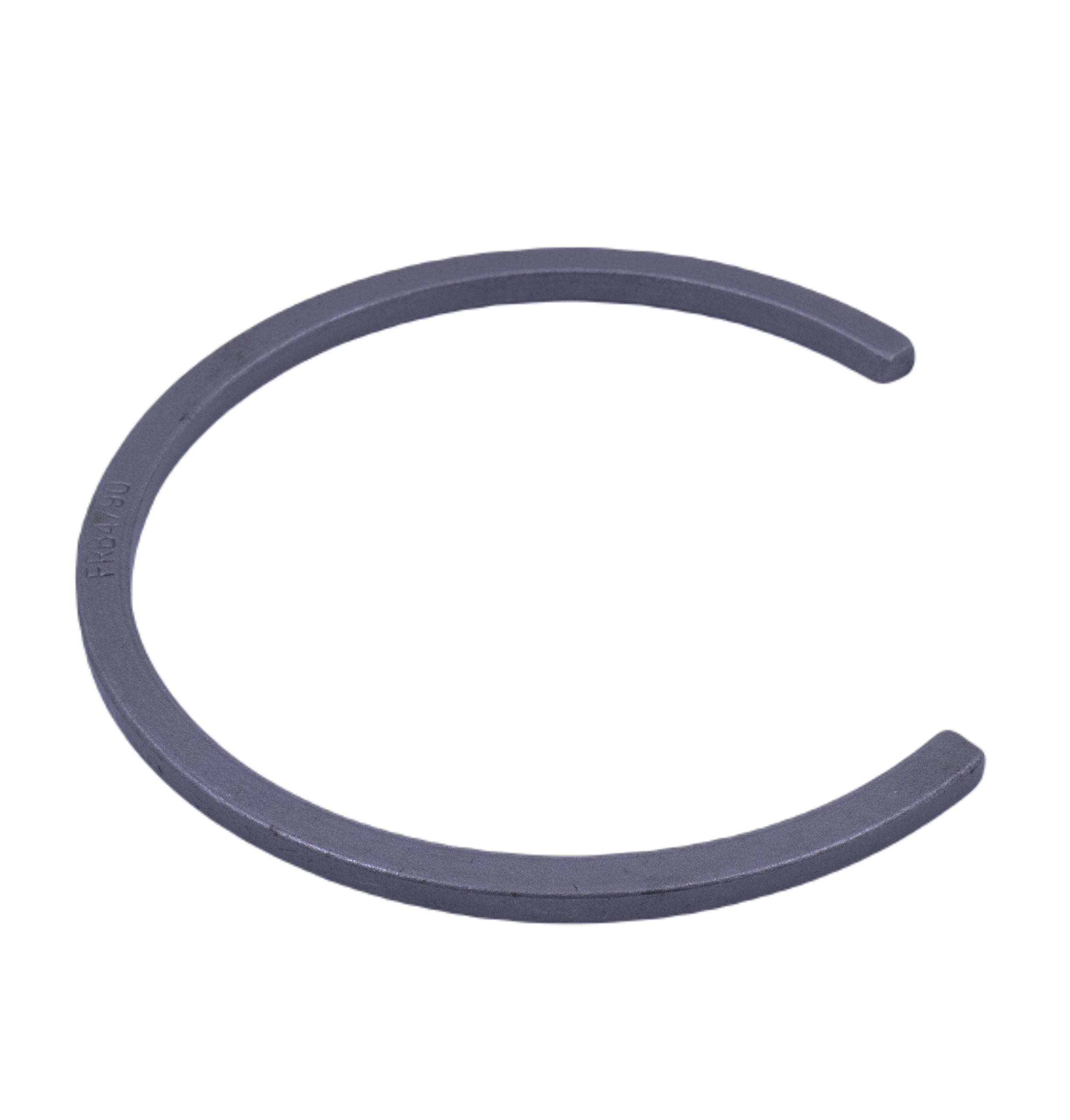
Extreme Bearing Units are suitable for both locating and floating bearing positions. In a bearing arrangement consisting of two opposing units, the FRB locating ring can be removed from one unit to allow axial displacement of the bearing and accommodate shaft expansion.
Each unit is supplied with an FRB locating ring as standard. By installing the ring, the unit functions as a locating bearing; by omitting it, the unit functions as a floating bearing. This allows a proper locating/floating bearing arrangement to be created using the same bearing unit, reducing inventory requirements and simplifying stock management.
Installation of the FRB Locating Ring
All Extreme Bearing Units are supplied with an FRB locating ring as standard.
- Locating side: Install the FRB locating ring to prevent axial displacement of the bearing within the housing.
- Floating side: Omit the FRB locating ring to allow axial movement and accommodate thermal expansion of the shaft.
When installing a bearing pair, one FRB locating ring will normally remain unused. This ring may be retained as a spare part or disposed of if not required.

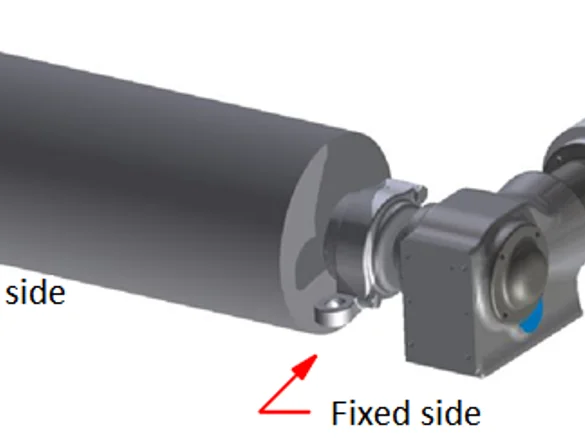
For optimal bearing performance and maximum service life, thermal expansion and contraction must be taken into account during the engineering phase of the machine design.
Calculate the maximum shaft length depending on the temperature in your application. In case you need to mount a long shaft, it is necessary to calculate the thermal expansion or contraction and adjust the bearing position to take this into account. As an example, a stainless steel shaft of 1 metre will become 0.023 mm longer when the temperature rises by 1°C and a carbon steel shaft of 1 metre will become 0.016 mm longer when the temperature rises by 1°C. The table shows the maximum shaft length depending on how the temperature changes during operation after the time of installation.
| Max. shaft length by cooling contraction from moment of installation in | ||||||||||
| Meter/degrees Kelvin C | ||||||||||
| Shaft | 10C | 20C | 40C | 40C | 60C | |||||
| Ø | SS | Steel | SS | Steel | SS | Steel | SS | Steel | SS | Steel |
| 20 | 9,38 | 12,5 | 4,69 | 6,25 | 2,34 | 3,13 | 1,88 | 2,5 | 1,56 | 2,08 |
| 25 | 9,38 | 12,5 | 4,69 | 6,25 | 2,34 | 3,13 | 1,88 | 2,5 | 1,56 | 2,08 |
| 30 | 9,38 | 12,5 | 4,69 | 6,25 | 2,34 | 3,13 | 1,88 | 2,5 | 1,56 | 2,08 |
| 35 | 9,38 | 12,5 | 4,69 | 6,25 | 2,34 | 3,13 | 1,88 | 2,5 | 1,56 | 2,08 |
| 40 | 9,38 | 12,5 | 4,69 | 6,25 | 2,34 | 3,13 | 1,88 | 2,5 | 1,56 | 2,08 |
| 45 | 9,38 | 12,5 | 4,69 | 6,25 | 2,34 | 3,13 | 1,88 | 2,5 | 1,56 | 2,08 |
| 50 | 9,38 | 12,5 | 4,69 | 6,25 | 2,34 | 3,13 | 1,88 | 2,5 | 1,56 | 2,08 |
| 55 | 9,38 | 12,5 | 4,69 | 6,25 | 2,34 | 3,13 | 1,88 | 2,5 | 1,56 | 2,08 |
| 60 | 9,38 | 12,5 | 4,69 | 6,25 | 2,34 | 3,13 | 1,88 | 2,5 | 1,56 | 2,08 |
| 70 | 18,75 | 25 | 9,38 | 12,5 | 4,69 | 6,25 | 3,75 | 5 | 3,13 | 4,17 |
| 80 | 18,75 | 25 | 9,38 | 12,5 | 4,69 | 6,25 | 3,75 | 5 | 3,13 | 4,17 |
| 100 | 14,38 | 19,17 | 7,19 | 9,58 | 3,59 | 4,79 | 2,88 | 3,83 | 2,4 | 3,19 |
| Max. shaft length by heating expansion from moment of installation in | ||||||||||
| Meter/degrees Kelvin C | ||||||||||
| 20 | 12,5 | 16,67 | 6,25 | 8,33 | 3,13 | 4,17 | 2,5 | 3,33 | 2,08 | 2,78 |
| 25 | 12,5 | 16,67 | 6,25 | 8,33 | 3,13 | 4,17 | 2,5 | 3,33 | 2,08 | 2,78 |
| 30 | 12,5 | 16,67 | 6,25 | 8,33 | 3,13 | 4,17 | 2,5 | 3,33 | 2,08 | 2,78 |
| 35 | 12,5 | 16,67 | 6,25 | 8,33 | 3,13 | 4,17 | 2,5 | 3,33 | 2,08 | 2,78 |
| 40 | 12,5 | 16,67 | 6,25 | 8,33 | 3,13 | 4,17 | 2,5 | 3,33 | 2,08 | 2,78 |
| 45 | 15,63 | 20,83 | 7,81 | 10,42 | 3,91 | 5,21 | 3,13 | 4,17 | 2,6 | 3,47 |
| 50 | 15,63 | 20,83 | 7,81 | 10,42 | 3,91 | 5,21 | 3,13 | 4,17 | 2,6 | 3,47 |
| 55 | 15,63 | 20,83 | 7,81 | 10,42 | 3,91 | 5,21 | 3,13 | 4,17 | 2,6 | 3,47 |
| 60 | 15,63 | 20,83 | 7,81 | 10,42 | 3,91 | 5,21 | 3,13 | 4,17 | 2,6 | 3,47 |
| 70 | 12,5 | 16,67 | 6,25 | 8,33 | 3,13 | 4,17 | 2,5 | 3,33 | 2,08 | 2,78 |
| 80 | 12,5 | 16,67 | 6,25 | 8,33 | 3,13 | 4,17 | 2,5 | 3,33 | 2,08 | 2,78 |
| 100 | 48,13 | 64,17 | 24,06 | 32,08 | 12,03 | 16,04 | 9,63 | 12,83 | 8,02 | 10,69 |
The total axial bearing unit clearance
The total axial bearing unit clearance available for thermal expansion and contraction is equal to the thickness of the locating ring. Material expansion and contraction must be taken into account to ensure that sufficient clearance remains for proper bearing operation.
In the diagram, clearance C represents the available movement for contraction due to cooling, while clearance B represents the available movement for expansion due to heating.
The table below shows the maximum permissible values for C and B, depending on the shaft diameter.


| Shaft Ø | C, Max. Cooling shrinkage mm | B, Max. Heating expansion mm |
| 20 | 3,5 | 3,5 |
| 25 | 3,5 | 3,5 |
| 30 | 3,5 | 3,5 |
| 35 | 3,5 | 3,5 |
| 40 | 3,5 | 3,5 |
| 45 | 4 | 4 |
| 50 | 4 | 4 |
| 55 | 4 | 4 |
| 60 | 4 | 4 |
| 70 | 5 | 5 |
| 80 | 5 | 5 |
| 100 | 10 | 10 |
Extra room for more axial displacement
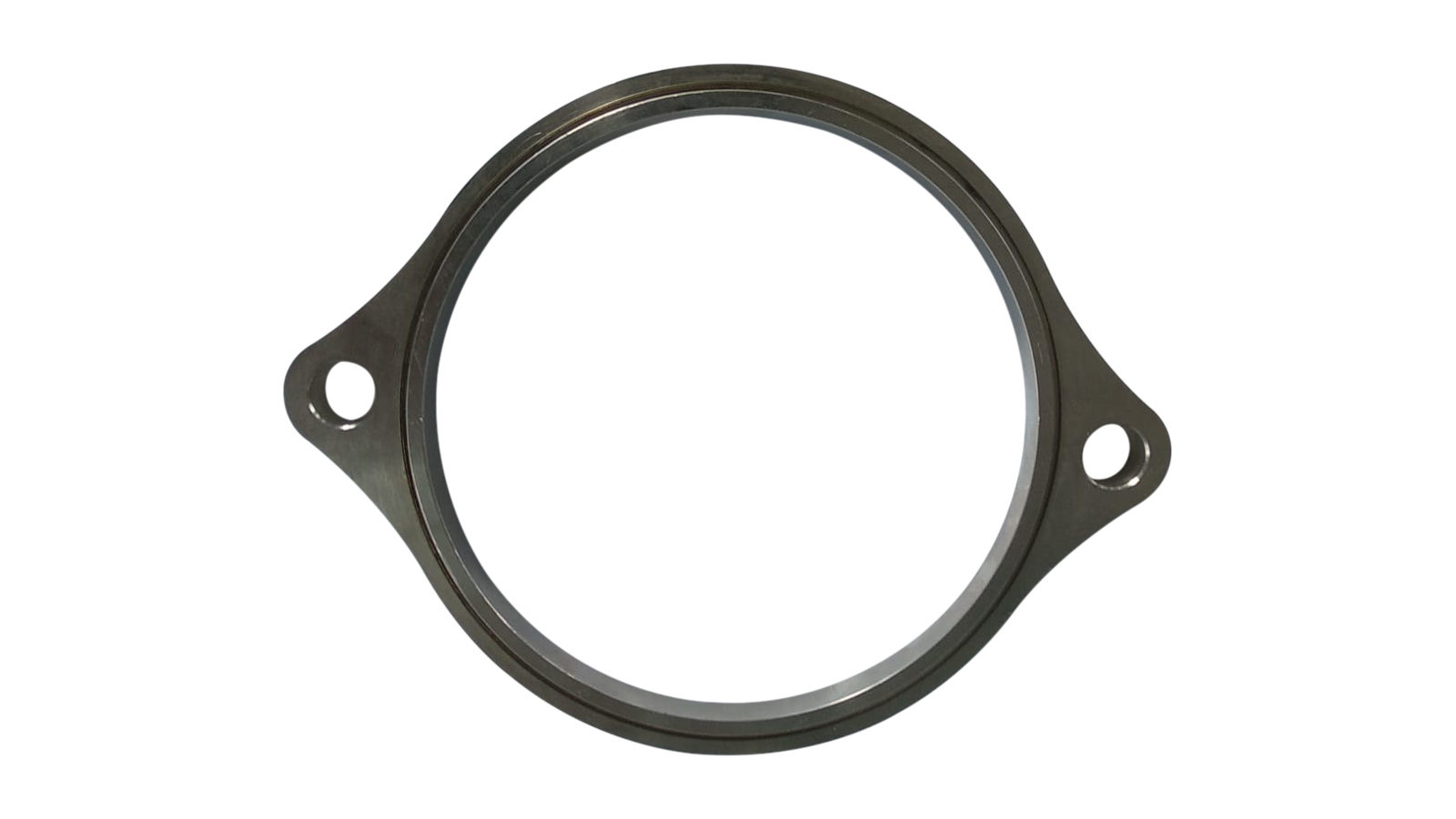
It is possible that the standard option in our Extreme bearings is not sufficient, because your construction has very long shafts, large temperature difference or other causes. in this case we supply an extra extension ring that fits between the bearing unit and the cap.
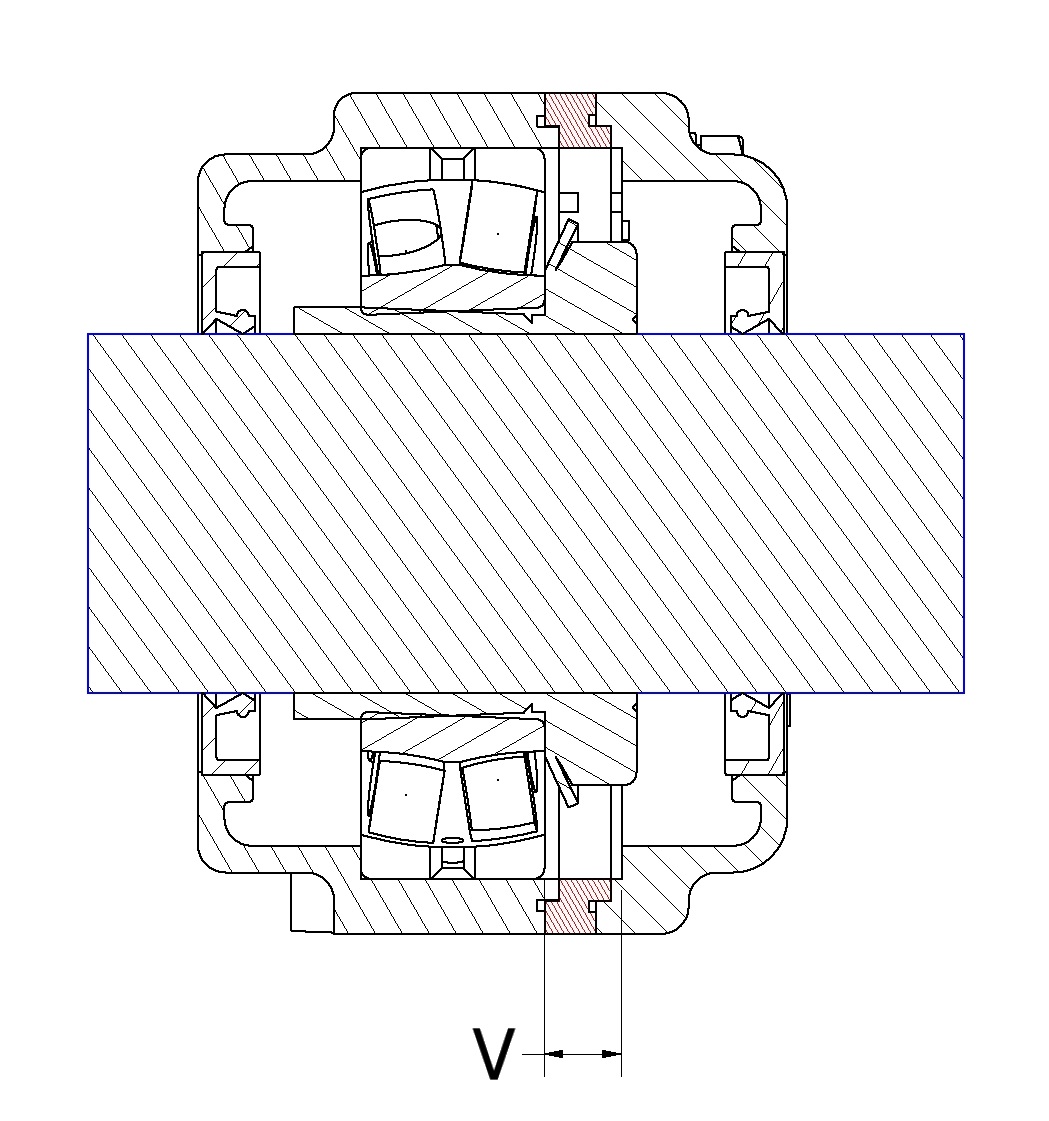
| Size | V |
| 20 | 8.5 |
| 25 | 8.5 |
| 30 | 8.5 |
| 35 | 8.5 |
| 40 | 8.5 |
| 45 | 11 |
| 50 | 11 |
| 55 | 11 |
| 60 | 11 |
| 65 | 13 |
| 70 | 13 |
| 75 | 13 |
| 80 | 18 |
| 85 | 18 |
| 90 | 20 |
| 100 | 20 |

Good afternoon:
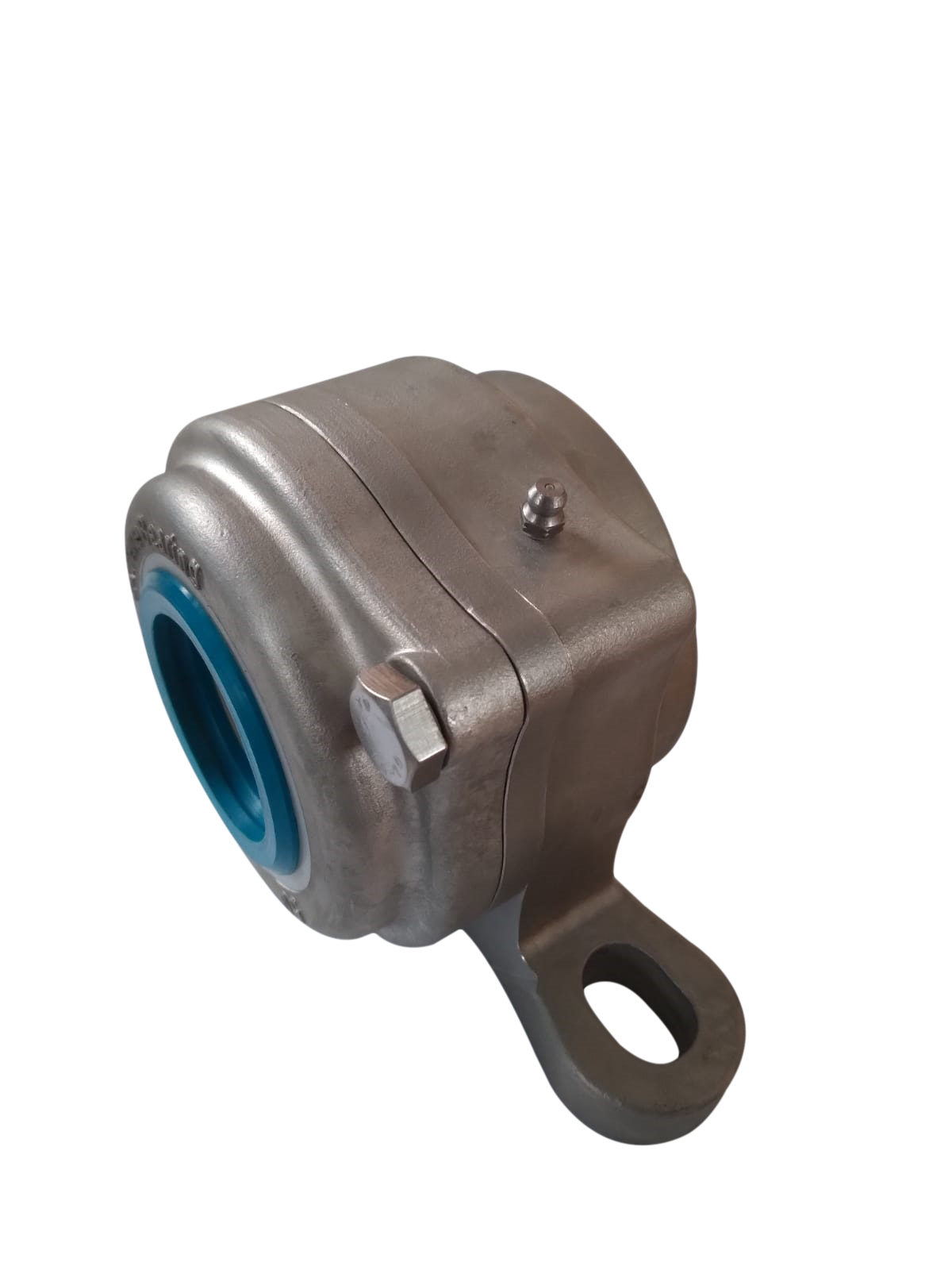
We have an issue in one installation of our tipping buckets, where we have installed your bearings. We have 3 tipping buckets installed in a storm tank, each is suspended from 2 bearings.
Tipping bucket is an element to clean the surface of storm tanks. When a storm happens, the storm tank is filled by water, and after the storm, once it is empty, it is necessary to clean the surface due to the sediments.
Tipping buckets are filled with water, and when they are full, they tip due to their geometry, and make a wave to clean the surface.
The issue is the following: We have all the bearings tighten to the axis, and we found that the buckets are moving horizontally through the bearings.
Do you know how it can be possible?
Your assistance is appreciated!
Linear displacement through the bearing unit
A situation can arise where extreme axial displacement is required or a linear movement is required through the bearing unit. For this situation you can choose an Extreme Bearing with a Cylindiche bore without a locking adapter
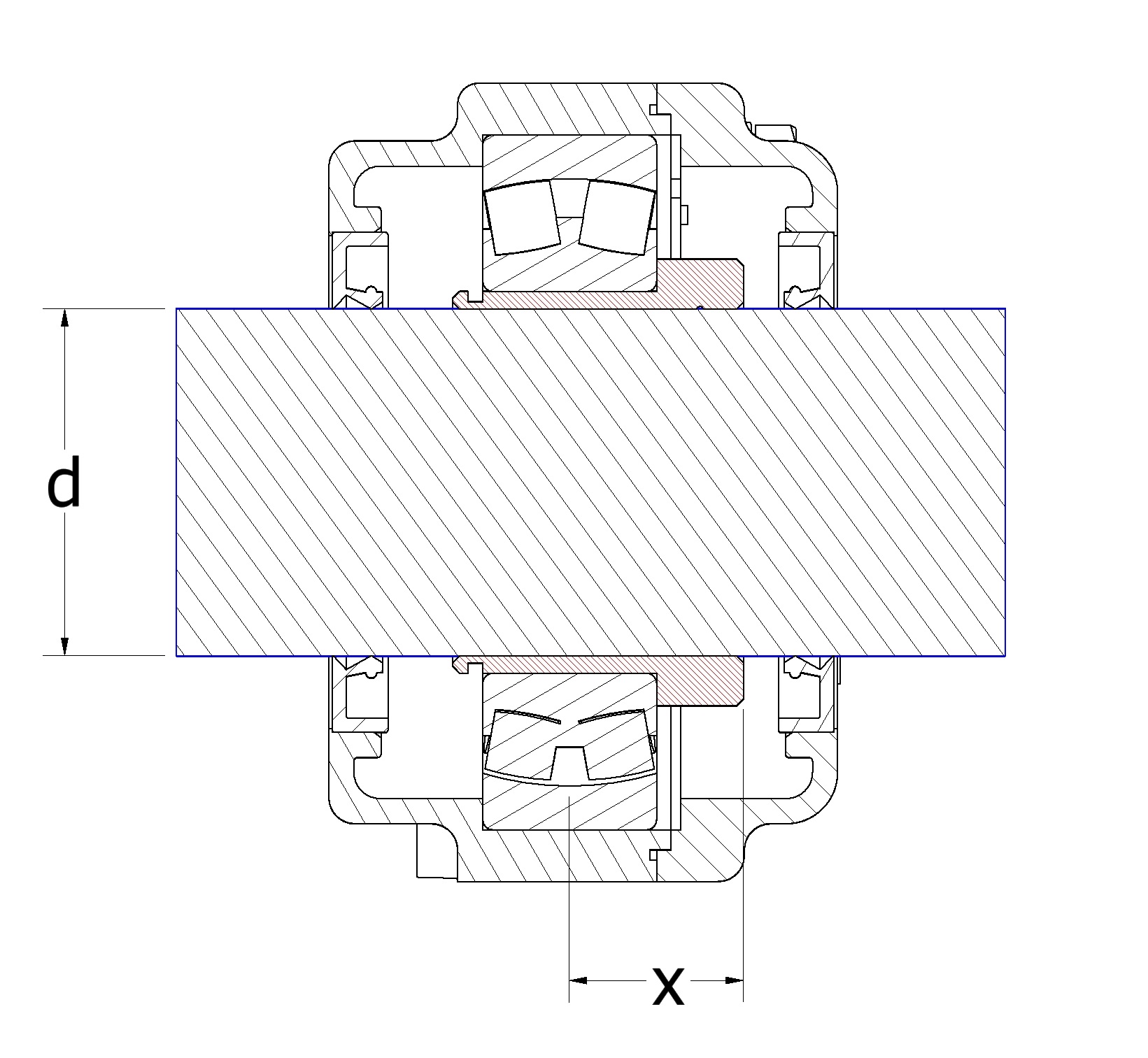

Tip: To ensure that the shaft does not rotate in the bearing, a keyway can be made in the shaft.